Does metformin Cause a Elevated Anion Gap?
Yes, this medication can be associated with a elevated anion gap, but usually indirectly rather than as a typical effect. The main concern is metformin-associated lactic acidosis, a rare but serious form of high anion gap metabolic acidosis. If metformin presents in the body, it can contribute to lactic acidosis, raise lactate, and disrupt acid-base balance. An Anion Gap Calculator can assist determine whether the pattern of serum electrolytes suggests an acid-base problem that needs prompt evaluation.
The key point is that a elevated anion gap is not a medical diagnosis by itself. It is a laboratory clue. To interpret it correctly, clinicians look at the full picture: symptoms, serum bicarbonate, serum sodium, serum chloride, kidney performance, and sometimes a blood gas and blood lactate. That clinical correlation helps determine whether the issue is minor, serious, or an urgent situation.
Understanding the Anion Gap?
The anion gap is a calculated value that helps estimate the balance between measured positive and negative ions in the blood. It is often used in lab interpretation when evaluating metabolic acidosis and other acid-base disorder patterns. The calculation mainly uses serum sodium, serum chloride, and serum bicarbonate.
In simplified form, the anion gap reflects the gap between the major measured cations and anions in the blood. Because electrolytes must be kept in balance, an increased gap often means there are extra unmeasured acids in the bloodstream, such as lactate, ketones, or toxins. That is why the anion gap can point toward an underlying cause of acidosis.
Expected ranges vary somewhat by laboratory method and reference range, so the result should always be interpreted using the lab’s standards. A high value does not automatically mean a dangerous condition, but it does warrant attention, especially if it is paired with low bicarbonate or symptoms of illness.
How the Anion Gap Calculator Works
This Anion Gap Calculator is a straightforward tool that assists in estimating the anion gap from routine chemistry results. It typically asks for serum sodium, serum chloride, and serum bicarbonate. Some versions may include potassium, but many standard calculations do not.
The main idea is straightforward: the calculator subtracts chloride and bicarbonate from sodium to estimate the gap. This is a form of anion gap calculation that helps identify whether there may be excess unmeasured acids in the blood. If the bicarbonate level is low and the gap is elevated, that commonly suggests metabolic acidosis.
That said, numbers alone are not enough. A calculator can indicate a possible problem, but it cannot determine the cause. For example, a high gap might be due to lactic acidosis, diabetic ketoacidosis, toxic ingestion, or kidney failure. It may also require review of serum electrolytes, kidney function, and other labs. The calculator is a beginning for diagnostic workup, not the final answer.
If the result is abnormally high, especially with symptoms, it should be treated as a prompt for urgent evaluation and not ignored.
Can Metformin Cause High Anion Gap Metabolic Acidosis?
Metformin may be associated with high anion gap metabolic acidosis when it triggers or worsens metformin-associated lactic acidosis. This is not a frequent complication, but it is a widely recognized serious complication. The mechanism involves increased acid buildup and poor elimination, which can lower bicarbonate and widen the anion gap.
In many cases, the acid-base issue begins as lactic acidosis. When lactate increases, it can push the body toward acidosis and disrupt acid-base balance. That is why an elevated anion gap may be an useful sign in someone taking metformin who also has a medical condition, dehydration, or reduced kidney function.
It is important to tell apart routine metformin side effects from this more serious problem. Mild stomach upset can happen frequently and does not by itself mean there is an acid-base emergency. But if a person taking metformin develops weakness, rapid breathing, delta/delta step by step vomiting, or altered mental status, the possibility of lactic acidosis needs to be considered quickly.
Ways in which Metformin-Associated Lactic Acidosis Happens
Metformin-associated lactic acidosis may happen when the drug collects and the body cannot eliminate it as usual. Metformin is cleared through the kidneys, so kidney function is central to its safety. If renal impairment is present, renal clearance falls and anion gap in chronic kidney disease metformin accumulation becomes more likely.
When metformin builds up, it can contribute to higher lactate levels. Elevated lactate may reflect inadequate tissue oxygen delivery, altered metabolism, or impaired clearance. This can happen in the setting of tissue hypoxia, shock, infection, or other severe illness. As lactate rises, the blood becomes more acidic, leading to a high anion gap metabolic acidosis.
Clinically, this is why a single lab result is not enough. Doctors review symptoms, the blood gas, blood lactate, kidney tests, and the broader context. A person with dehydration and reduced kidney function may be at much higher risk of drug accumulation and severe metabolic changes than someone with normal renal clearance.
Risk Elements That Elevate the Chance of a High Anion Gap
A number of conditions can raise the chance of a high anion gap in someone taking metformin. One major trigger is dehydration, which can lower kidney perfusion and limit drug clearance. If the kidneys are not receiving enough blood flow, metformin may build up and lead to acid-base problems.
Kidney disease is a further risk factor because it reduces the ability to remove metformin effectively. Likewise, liver disease may impair lactate handling and disturb acid-base balance. Severe infection such as sepsis can also increase lactate and aggravate metabolic instability, creating a more dangerous environment for metabolic acidosis.
Risk stratification matters here. A person with stable kidney function and no acute illness is less prone to develop serious complications than someone who is dehydrated, infected, or experiencing falling renal function. That is why medication decisions often depend on clinical status, not just one test.
Symptoms and Clinical Features to Monitor
The symptoms of a high anion gap from lactic acidosis can be hard to notice at first but may become more severe over time. Frequent warning signs include nausea, vomiting, rapid breathing, and confusion. Such symptoms may reflect worsening acidosis and should not be dismissed, especially in someone taking metformin.
Additional signs can include weakness, fatigue, abdominal discomfort, and feeling unusually unwell. Because symptom assessment can be unclear, lab testing is often needed to figure out whether the problem is simply a medication side effect or a more serious acid-base disorder. If a person has both symptoms and abnormal serum electrolytes, the likelihood of a true problem rises.
Rapid breathing is particularly concerning because it can be the body’s effort to compensate for acidosis. Confusion may suggest worsening illness or poor perfusion. In the setting of elevated lactate or reduced kidney function, these symptoms warrant prompt clinical attention.
When a High Anion Gap Needs Urgent Medical Care
A high anion gap calls for prompt clinical care when it appears alongside acute symptoms, worsening illness, or evidence of severe metabolic disturbance. This includes persistent vomiting, marked rapid breathing, severe weakness, fainting, chest pain, or significant confusion. These signs may indicate dangerous acidosis or another life-threatening condition.
Doctors often order a blood gas to assess the degree of acidosis and confirm whether the body is compensating appropriately. They may also check a blood lactate to determine whether lactic acidosis is present. If both the blood gas and lactate are abnormal, that supports a serious metabolic process that needs immediate clinical assessment.
Critical values do not exist in isolation. The decision to act depends on the entire clinical picture, including kidney function, hydration status, infection, and current medications. If there is concern for metformin-associated lactic acidosis, urgent evaluation is appropriate rather than waiting for symptoms to pass.
Other Causes of High Anion Gap Besides Metformin
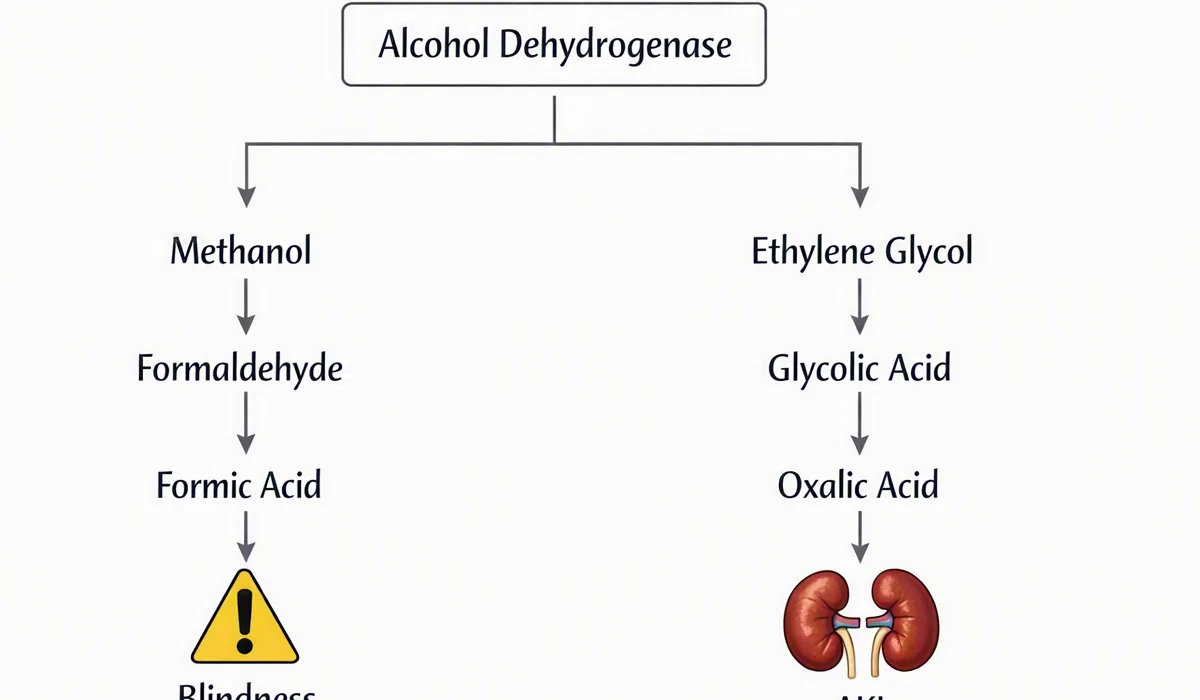
Metformin is only one possible cause of a high anion gap. A very common alternative is DKA, in which ketones build up and create high anion gap metabolic acidosis. This is an especially important diagnosis to consider in people with diabetes who feel sick, are vomiting, or have high blood sugar.
renal failure can also cause the body to retain acids, increasing the anion gap. Another category is poison ingestion, where substances interfere with metabolism or acid handling. Classic examples include salicylates, which can produce complex acid-base disturbances and may present with respiratory and metabolic findings.
Other causes can include severe infection, shock, and various poisonings. This is why a high gap should always be interpreted with clinical context and the right diagnostic workup. The same result can mean very different things depending on the person’s symptoms and medical history.
Frequently Asked Questions
Can metformin directly cause a high anion gap?
Metformin usually does not simply raise the anion gap in a simple way. The concern is that it can contribute to metformin-associated lactic acidosis, which then leads to a high anion gap because of higher lactate and severe acidosis. So the relationship is not direct but clinically important.
What anion gap level is considered high?
The definition depends on the laboratory reference range and the testing method selected. A result above the lab’s upper limit is considered elevated. In general, clinicians interpret it together with serum bicarbonate, symptoms, and other blood tests rather than relying on one number alone. That is why anion gap interpretation always requires the full picture.
What symptoms suggest metformin-associated lactic acidosis?
Warning signs can include nausea, vomiting, general weakness, rapid breathing, stomach pain, and confusion. These symptoms can overlap with other illnesses, so they should be taken seriously, especially if the person also has kidney problems, dehydration, or infection. Elevated blood lactate and abnormal blood gas results make the concern more urgent.
Should metformin be stopped if the anion gap is high?
A high anion gap alone does not automatically mean metformin should be stopped forever, but it may need to be held while the cause is evaluated. Decisions depend on the clinical situation, kidney function, and whether there is concern for lactic acidosis or another serious disorder. This is a question for immediate medical review, especially if there are emergency symptoms.
What else can cause a high anion gap?
Common causes include diabetic ketoacidosis, kidney failure, toxic ingestion, and salicylates. Severe sepsis can also cause elevated lactate and a high anion gap. Because the causes vary widely, a full diagnostic workup is often needed to find the source of the acid-base disorder.
Comprehending the anion gap can assist understand a lab result that otherwise looks confusing. An Anion Gap Calculator is helpful for identifying a possible acid-base disorder, but it does not substitute for clinical judgment. If metformin is involved and the person has signs, kidney dysfunction, or signs of lactic acidosis, the situation may warrant prompt assessment.
In summary, metformin can be associated with a high anion gap when metformin-associated lactic acidosis develops. The key next step is not just noticing the number, but recognizing whether the person has low bicarbonate, elevated lactate, abnormal blood gas results, or other signs of serious illness. That integrated approach offers the best chance of catching dangerous problems soon.