What’s the Typical Anion Gap in Kids?
What Is the Anion Gap?
The anion gap is a measure used to assist in interpreting a child’s blood chemistry and electrolytes. It is not a direct assessment of one substance. Instead, it is a calculated result that reflects the relationship between major charged particles in the blood, especially sodium, chloride, and bicarbonate.
This value can assist clinicians in understanding acid-base balance and spot patterns that suggest a metabolic disorder or an electrolyte imbalance. In simple terms, the anion gap offers extra context to a standard blood test and can improve the clinical interpretation of a laboratory result.
Because the body maintains tightly controlled serum electrolytes, even small shifts in blood chemistry can be meaningful. The anion gap is often used as a clue, not a diagnosis by itself. A normal result may suggest a stable acid-base balance, while an abnormal result can prompt a more careful evaluation at renal function, hydration status, or other causes of illness.
What Is the Normal Anion Gap in Children?
The normal anion gap in children is usually comparable to the children’s reference range used by the lab that performed the test, but exact values can vary. Many labs report a reference interval that is a bit different depending on the measurement method, the analyzer, and local pediatric lab values.
For many children, a typical anion gap falls roughly within a low-to-mid teens range, but the most important number is the one provided with the child’s own test result. A true pediatric reference range depends on the lab’s method and may be adjusted for age-specific values. That is why a result should always be interpreted in context rather than compared only with a generic number. The result should be read alongside the child’s general condition and other lab values.
Parents often want a simple answer, but the most accurate answer is this: the normal range is the lab’s listed reference interval, and pediatric providers use that range together with the child’s symptoms and other lab values. The same result may be interpreted differently in a toddler, school-age child, or adolescent depending on the overall clinical picture. A doctor will also look at the full context before deciding whether the number is meaningful.
If the anion gap is only slightly outside the reference interval, it does not automatically mean something serious is wrong. The provider will consider hydration, recent illness, medications, and whether the child has signs of acidosis or another metabolic issue. Age, illness severity, and the rest of the electrolyte panel all matter. In many cases, the next step is simply monitoring the child with attention to clinical findings.
How to Determine the Anion Gap Calculated?
The standard anion gap formula is based on the main measured electrolytes in blood. It is often written as:
Anion gap = sodium - (chloride + bicarbonate)
In this formula, sodium is the primary cation, while chloride and bicarbonate are the main measured negative ions. Since the body also contains unmeasured ions, this gap between these measured values creates the anion gap.
A few laboratories use slightly different methods or include potassium in certain calculations, but the most common clinical approach uses sodium, chloride, and bicarbonate. This means a child’s result may not match every online calculator exactly. Minor variations in lab reporting or rounding can change the final number.
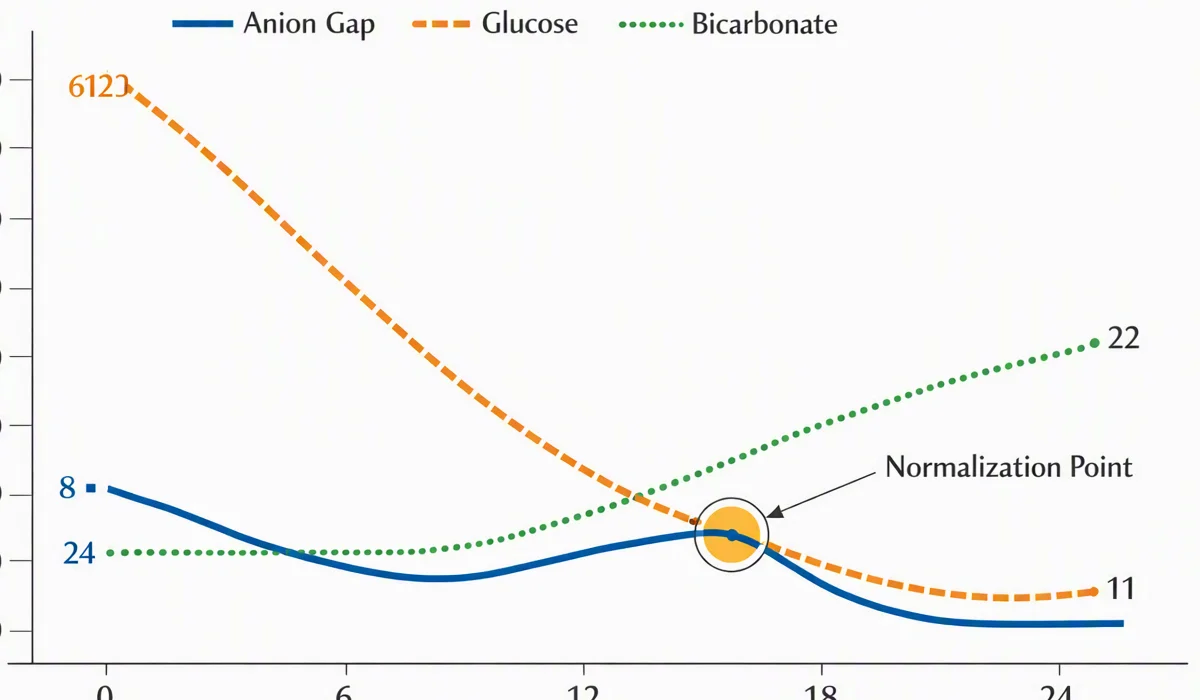
The anion gap is useful because it can reveal changes in acid-base balance that are not obvious from one electrolyte alone. For example, a decreased bicarbonate level can increase the gap if chloride does not rise enough to offset it. That pattern can point toward metabolic acidosis and may lead to additional testing.
Using an Anion Gap Calculator
An Anion Gap Calculator can support families see how the number is calculated from a child’s blood test or electrolyte panel. It often requires the same lab values needed in the anion gap formula, then performs the arithmetic instantly.
Trying a calculator can be useful for basic understanding, but it should not replace professional medical guidance. A calculator shows the math, not the full medical meaning. A child’s lab result has to be interpreted alongside symptoms, age, recent illness, and the full blood chemistry picture.
When reviewing an electrolyte panel, it helps to pay attention to whether the sodium, chloride, and bicarbonate values are each in range or forming a pattern. A calculator may identify the anion gap, but only a clinician can explain whether the result suggests dehydration, kidney disease, ketosis, infection, or another cause.
For parents, the most practical use of an Anion Gap Calculator is educational. It can help you understand why the number changed and how it fits https://ameblo.jp/anion-gap-results311/entry-12977291359.html into acid-base balance. Still, the diagnostic value comes from the provider’s full pediatric assessment, not from the number alone.
What Does a High Anion Gap Indicate in Kids?
A elevated anion gap means there are more unmeasured acids in the blood than expected, or that bicarbonate has decreased because acid has accumulated. This pattern is often seen in acid-base imbalance, a condition in which the blood becomes too acidic.
Common causes of a high anion gap in children include ketone bodies from fasting or illness, lactic acidosis from poor tissue oxygen delivery or severe infection, and other metabolic conditions. In some cases, ketosis can develop when a child has not eaten well, has been vomiting, or has diabetes-related issues that need urgent care.
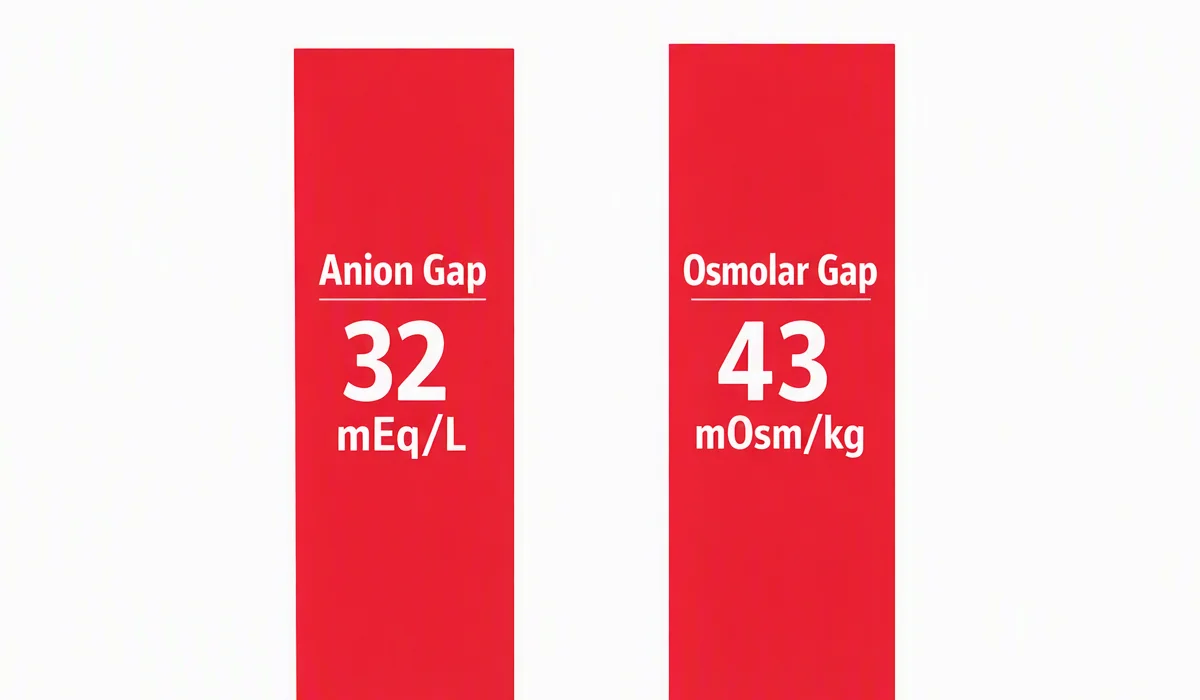
Additional causes can include toxins, severe illness, or problems with kidney function. Because the anion gap is part of the broader acid-base balance picture, clinicians may order more testing if the number is elevated and the child appears ill.
Symptoms matter a great deal. A high anion gap may come with rapid breathing, vomiting, abdominal pain, tiredness, confusion, or signs of dehydration. In a child with concerning symptoms, the lab pattern may prompt faster treatment and a more focused workup.
It is also important to remember that a high anion gap does not point to just one disease. It is a clue that helps limit the possibilities. The child’s age, medical history, blood chemistry, and other test results all help determine the next step.
How to Interpret a Low Anion Gap in Kids?
A reduced anion gap is not as common than a high one. It may arise when the blood has abnormally low unmeasured ions, when there is an issue with the measurement itself, or when a high level of positively charged proteins shifts the balance. One important factor is albumin, a major blood protein that can affect the anion gap.
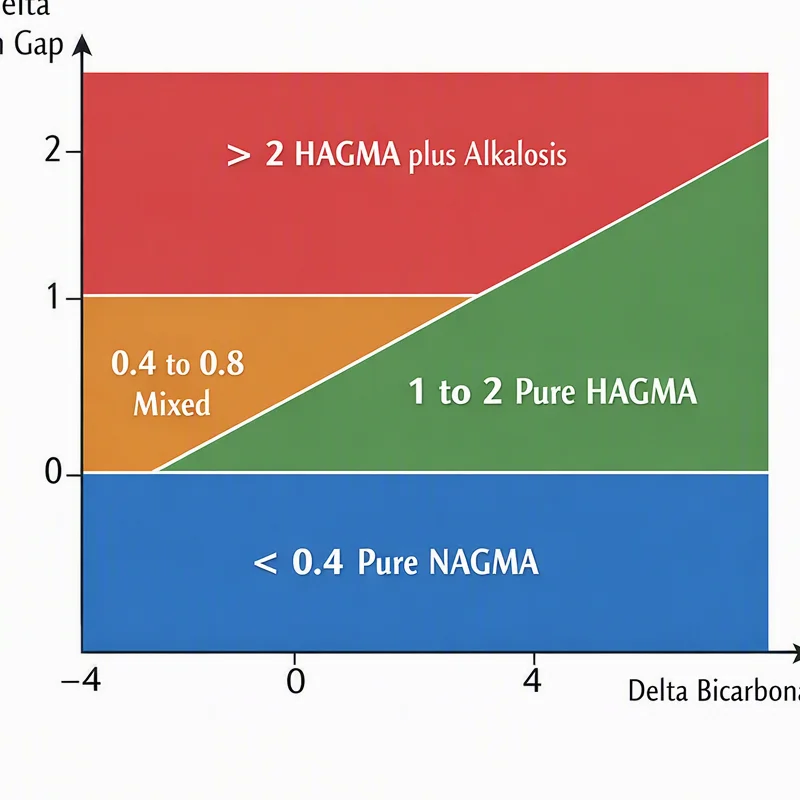
If albumin level is low, the anion gap may appear lower than expected even if the child does not have a dangerous problem with acid-base balance. This is why clinicians often look at albumin when interpreting the result. In some situations, a low gap may also indicate an electrolyte imbalance that needs follow-up.
Another common reason is lab error. Because the anion gap is a derived value, a small issue in sodium, chloride, or bicarbonate measurement can change the result. Repeating the test may be appropriate if the number does not fit the child’s symptoms or the rest of the blood test.
Occasionally, a low anion gap can be linked to certain medical conditions that alter protein levels or blood chemistry. The key point is that the result should be reviewed in the context of the full electrolyte panel and the child’s overall health.
When Do Parents Speak to a Pediatrician?
Parents should talk to a pediatrician when a child has an abnormal anion gap result, especially if there are symptoms or another concerning lab pattern. The number by itself may not be an emergency, but the combination of symptoms and lab findings can be concerning.
Get medical guidance promptly if the child has vomiting, unusual sleepiness, fast breathing, severe weakness, poor drinking, or signs of dehydration. These symptoms can happen with acid-base problems, infection, or a metabolic disorder and may need prompt evaluation.
Children with known kidney disease should also be monitored closely if the anion gap changes. Kidney problems can affect how the body handles acids and electrolytes, which can shift the lab picture. In these situations, the pediatrician may review renal function and other blood chemistry values carefully.
It is also reasonable to ask questions if the result does not match how the child seems to be feeling. A pediatrician can explain whether the finding is mild, whether it may be due to testing variation, and whether further evaluation is needed. That conversation is often the best next step for careful symptom evaluation and confidence.
FAQ: Anion Gap in Children
What is considered a normal anion gap in children?
Normal values depend on the laboratory’s pediatric reference range, but many children fall within a low-to-mid teens value. The clearest reading comes from the lab report itself, since age-specific values and method differences can affect the result.
Does the normal anion gap change with age in kids?
Yes, it may. Pediatric lab values may vary by age, growth stage, and the lab’s reference interval. A child’s result should always be interpreted using the age-specific values listed with the test rather than assuming an adult range applies.
How do you calculate the anion gap from lab values?
Use the anion gap formula: sodium minus the sum of chloride and bicarbonate. This calculation comes from the blood test or electrolyte panel and helps estimate the difference between measured and unmeasured ions in the blood.
What might lead to a high anion gap in a child?
A high anion gap can be caused by metabolic acidosis, ketones from poor intake or illness, lactic acidosis, kidney disease, or other conditions that increase acids in the blood. The child’s symptoms and other lab values help determine the cause.
When does a pediatrician need to review a low or high anion gap?
Any abnormal result should be reviewed if the child has symptoms, dehydration, vomiting, breathing changes, or a history of kidney disease. A pediatrician can decide whether the result may reflect lab error, an electrolyte imbalance, or a true medical issue that needs follow-up.